Organizing Your Pantry
Organizing your pantry is becoming a modern skill. Many homeowners are turning to home prepping as a way to cut back on trips to the store and avoid shortages. Unfortunately, many people find themselves overwhelmed. Sometimes it’s hard to know exactly what to stock up on. After you stock it, then you have to maintain it. Then, finding what you need among all the other things, can be difficult. Organization is a key part of successful prepping. Therefore, if you want to have an effective pantry, here are a few organizational tips to keep in mind.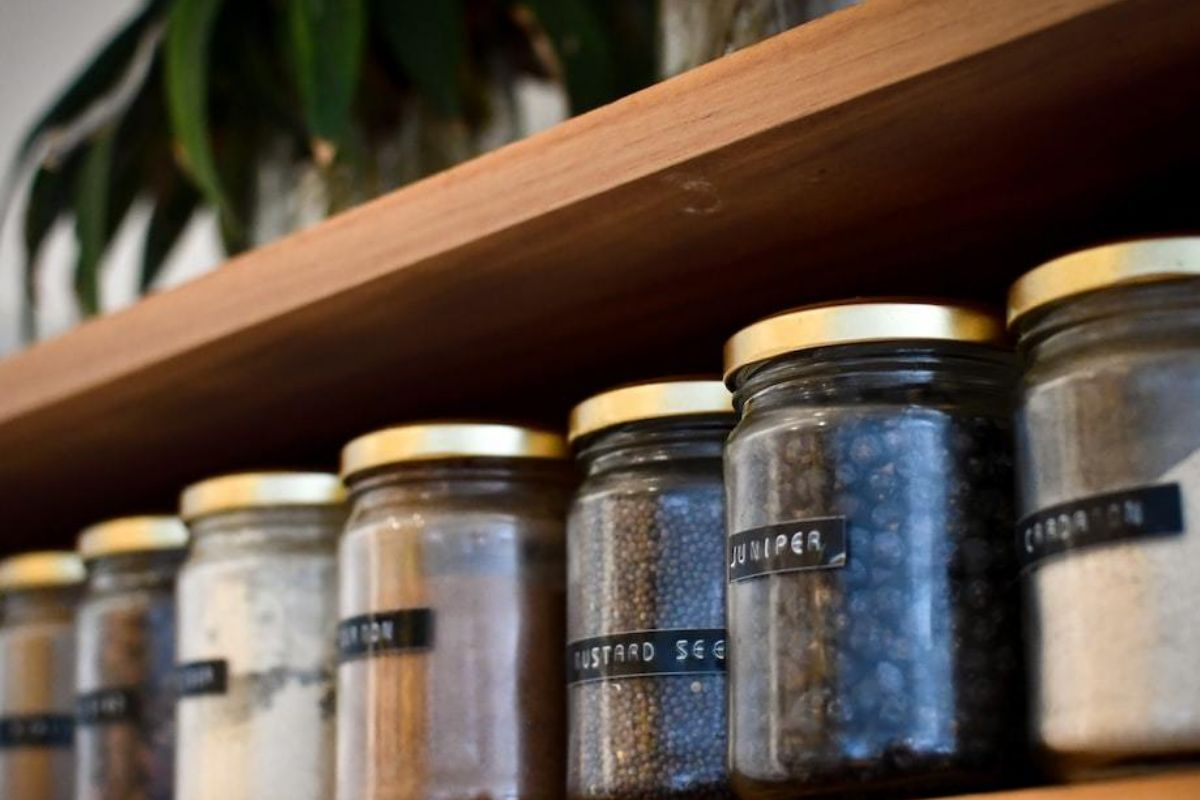
What Should You Store?
First things first: What should you store in your pantry? Obviously, you want things that are shelf-stable and will last a while. Pick up or prepare staples like canned vegetables, and canned fruits. Also, crushed tomatoes and dry goods like pasta, rice and beans. Add cooking supplies like cooking oil, flour and cornmeal. Then look to items like sugar and honey.
Beyond that, round things out according to your family’s tastes. This is where you add your taco shells, your pasta sauces. Also, your cereals, popcorn, condiments and dressings, canned meats and anything else that you know your family uses regularly. If you have pets, set aside a section of your pantry for pet food as well.
Related: Resurfacing Your Countertop
Organizing Your Pantry for Easy Access
When you start organizing your pantry, don’t just stick things wherever you can find a space for it. Instead, take everything out, clean the area so that you’re starting fresh. Then put things back in a reasonable and organized way. Group similar items, like different types of canned vegetables, together so they are easy to find. Avoid just shoving a bunch of things together to make more room. After all, that will cause confusion and make some of your items a lot harder to find.
Label Everything
Place labels on your shelves once you have everything organized. This way you’ll know what goes in any particular space in the pantry. That doesn’t mean that you have to micromanage and label each individual type of item. Instead, simply create categories like “Jelly” and “Vegetables” to mark the area where those items go. For those really efficient with your labeling, take the time and place an easy-to-read sticker or label on the top or front of each item. Then you can write the expiration date on it for reference.
Related: Kitchen Lighting Options
Remember FIFO
Where a lot of people run into problems is rotating stocked items as new items are bought or made. Keep the FIFO principle in mind as you restock your pantry: First In, First Out. New items should always go to the back. This allows the older items in the front to be used first. As you take items out of the pantry, move up the items from behind. This way, they’re closer to the front and you have room to place things behind them later.
Shelving and Storage Additions
You may need to add shelving or other storage types to your pantry area. If so, try to do so in a way that makes stocking and access easier. Consider standalone shelves that you can walk behind. Perhaps even rollout shelves that you can pull toward you. This makes it a lot easier to place new items at the back, while sliding shelves or rotating units make it easy to reach stored items that otherwise might be hard to get to.
Related: Cleaning Your Ductwork
Organizing Your Pantry for Emergency Storage
In general, your pantry should be filled with items that you’re actually going to use and that will be rotated out over time. In addition, you may want to set aside a space for some additional emergency storage as well. Consider this sort of a “backup pantry”. Here you can focus on items with very long shelf lives such as freeze-dried rations. Also, items like vacuum-sealed grains and bottled water. You should check expiration dates at least once or twice a year. And be sure to move items about to expire to your main pantry, or use them for activities such as camping trips, hiking excursions or other adventures.
For more information, EMAIL ME
And see my latest information at: 


CLICK HERE to see what your home is worth
CLICK HERE to search for Las Vegas area homes
Are you thinking of selling or buying a home in Las Vegas?
Since 1983, I’ve helped home sellers and buyers achieve their real estate goals with confidence. If you’re searching for homes for sale in Las Vegas, I’d be happy to guide you every step of the way. My deep local knowledge and decades of experience can help you avoid costly mistakes and find the perfect home for you and your family.
Thinking about selling your Las Vegas home? Request my free Las Vegas home value report and to see what your home may be worth in today’s real estate market.
Check out the Real Estate Market in Las Vegas NV
I work hard for my clients to ensure they have the best selling or buying experience possible. For comprehensive real estate information in the Greater Las Vegas area, check out the links below!